
Overview of Form 8809 and Its Role
Form 8809 grants a 30‑day extension for filing various information returns, such as W‑2, 1099, and FATCA 8966. It is filed electronically or on paper, with the IRS verifying data in its database. Proper completion prevents penalties and ensures timely compliance. Extension applies to filing deadlines!?.

Eligibility and Covered Information Returns
Eligible entities may file Form 8809 to extend deadlines for W‑2, 1099, 1098, 1097, 1095, 1042‑S, 1094‑C, 5498, 8027, and ExSTARS reports. The form applies to employers, payers, and agents who must submit these returns by the original due date. If data is missing, the taxpayer must file the form before the original deadline!!
Who Must File an Extension with Form 8809
Form 8809 is the sole mechanism for taxpayers who are required to submit the IRS information returns listed in the instructions and who cannot meet the original due date. The following parties must file an extension using Form 8809:
- Employers and payroll service providers who must file W‑2, 1099, 1098, 1042‑S, 1094‑C, 1095, 5498, 8027, and other W‑2‑style returns.
- Tax return preparers who submit the returns on behalf of clients and lack sufficient time to meet the deadline.
- Agents and payroll processors who receive data from employers and must transmit it to the IRS.
- Entities filing ExSTARS, 720‑TO, or 720‑CS reports that anticipate a 30‑day extension.
Form 8809 must be filed on or before the original due date of the underlying return. A late or incomplete extension request results in penalties for the information return. The form is accepted electronically via the e‑File system or on paper for non‑e‑File filers. The extension is strictly 30 days; the information return must be filed within that period to avoid additional penalties and interest. The filer must sign, date, and, if applicable, include any required fees.
Types of Information Returns Eligible for Extension

Form 8809 covers a broad spectrum of information‑return types that taxpayers must file with the IRS. The most common include W‑2 and W‑2G for wage and withholding data, 1099 series (1099‑A, 1099‑B, 1099‑C, 1099‑D, 1099‑E, 1099‑F, 1099‑G, 1099‑H, 1099‑I, 1099‑J, 1099‑K, 1099‑L, 1099‑M, 1099‑N, 1099‑O, 1099‑P, 1099‑Q, 1099‑R, 1099‑S, 1099‑T, 1099‑U, 1099‑V, 1099‑W, 1099‑X, 1099‑Y, 1099‑Z, 1099‑AA, 1099‑AB, 1099‑AC, 1099‑AD, 1099‑AE, 1099‑AF, 1099‑AG, 1099‑AH, 1099‑AI, 1099‑AJ, 1099‑AK, 1099‑AL, 1099‑AM, 1099‑AN, 1099‑AO, 1099‑AP, 1099‑AQ, 1099‑AR, 1099‑AS, 1099‑AT, 1099‑AU, 1099‑AV, 1099‑AW, 1099‑AX, 1099‑AY, 1099‑AZ) for miscellaneous income, 1042‑S for foreign‑person withholding, 1094‑C and 1095 for health‑insurance reporting, 5498 for IRA contributions, 8027 for foreign‑source income, and 3921/3922 for stock‑option transactions. the form applies to ExSTARS Terminal Operator Report (720‑TO) and Carrier Summary Report (720‑CS) used by transportation carriers. Each of these returns has a distinct filing due date; when a taxpayer cannot meet that date, Form 8809 provides a 30‑day grace period. The extension request must be filed before the original deadline, and the return must be submitted within the 30‑day window to avoid penalties. The IRS accepts the form electronically via the e‑File system or on paper for non‑e‑File filers. The extension is not a waiver of the filing obligation; it merely postpones the due date by 30 days. Failure to file the underlying return within that period results in penalties and interest. Therefore, accurate completion of Form 8809 is essential for compliance across all eligible information‑return categories. When filing, taxpayers must ensure that the taxpayer identification number, tax year, and tax code references are correct, as errors can trigger rejections and delay the processing of the extension request. ok. Taxpayers should verify that all required fields are completed accurately to prevent processing delays. ok.
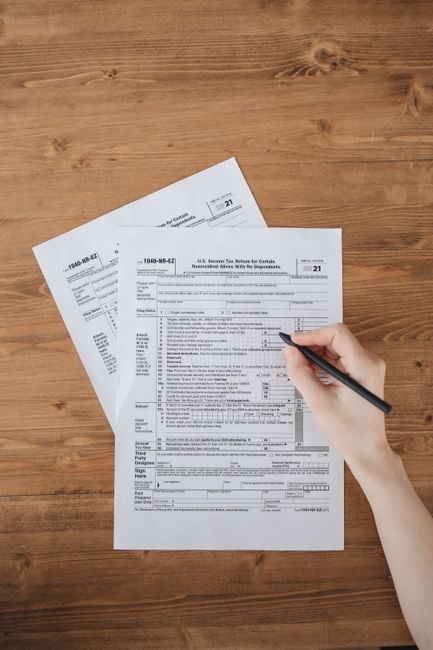
Variants of the Form: 8809, 8809-EX, 8809-I
Form 8809 is the base extension request for a 30‑day period. Form 8809-EX extends ExSTARS, 720-TO, and 720-CS reports. Form 8809-I covers FATCA 8966 filings. Use the correct form for each filing to avoid processing delays and penalties for timely compliance!?

Key Differences Between the Forms
Form 8809 is the generic extension request for many federal information returns (W‑2, 1099, 5498, 8027). It can be filed electronically or on paper. Form 8809‑EX is specific to the Excise Summary Terminal Activity Reporting System (ExSTARS) and related terminal operator reports (720‑TO, 720‑CS). Form 8809‑I is used exclusively for FATCA Form 8966 extensions. This extension request must be filed before the original due date to avoid penalties.
- 8809 – applies to standard information returns; filed via IRS e‑File or paper. All forms require the filer’s name, taxpayer identification number, and the return type.
- 8809‑EX – tailored for terminal activity reports; requires terminal activity codes and ExSTARS filing deadline.
- 8809‑I – for FATCA 8966; must be submitted through the FATCA e‑File gateway.

Data validation differs: the IRS database checks for existing extensions. 8809‑EX validates terminal activity codes; 8809‑I triggers FATCA‑specific rules. The electronic filing interface also varies: 8809 and 8809‑EX use the standard e‑File portal, while 8809‑I uses the FATCA gateway. The IRS will process the extension within 30 days, after which the return must be filed.
Choosing the correct form is essential. Using 8809 for an ExSTARS report or 8809‑I for a W‑2 can lead to rejection or delays. Verify the filing destination and consult the latest IRS instructions before submitting the extension request. Failure to file the correct form can result in automatic denial of the extension. Ensure accuracy.

Form 8809 is used when the taxpayer needs a 30‑day extension for standard information returns such as W‑2, 1099, 5498, 8027, or any return listed in the instructions. It is appropriate when the filer is a payroll provider, a financial institution, or a business that must submit these returns by the original due date but requires additional time. The form can be filed electronically through the IRS e‑File system or on paper if e‑File is unavailable. The filer must provide the taxpayer identification number, the type of return, and the reason for the extension. This variant is the default choice for most taxpayers seeking a general extension.
Form 8809‑EX is specifically designed for the Excise Summary Terminal Activity Reporting System (ExSTARS) and related terminal operator reports (720‑TO, 720‑CS). It is appropriate for trucking companies, terminal operators, or any entity that reports excise activity through ExSTARS. The form requires terminal activity codes, the specific ExSTARS filing deadline, and the taxpayer’s identification number. Because it is tailored to terminal activity reporting, using 8809‑EX ensures that the extension request is processed correctly by the ExSTARS system.
Form 8809‑I is intended for FATCA Form 8966 extensions. It is used by financial institutions, custodians, or other entities that must file FATCA 8966 and need additional time. The form must be submitted through the FATCA e‑File gateway, not the standard IRS e‑File portal. The taxpayer must provide the FATCA identification number, the year of the return, and the reason for the extension. Using 8809‑I guarantees that the extension request is routed to the FATCA database and processed in accordance with FATCA rules. This extension framework ensures compliance while flexibility for taxpayers across industries.!

Filing Process: Instructions, Deadlines, and Submission Methods
File Form 8809 electronically via IRS e‑File or on paper if e‑File is unavailable. Submit by the original due date plus a 30‑day extension. Include taxpayer ID, return type, and reason. Verify submission receipt and keep confirmation for records. Extensions are not automatic; they must be requested Submit
Step-by-Step Completion of Form 8809
Gather required data: taxpayer identification number (TIN), type of information return (e.g., W‑2, 1099, 8966), and the year for which the extension is requested. 2. Choose the filing method. 3. If filing electronically, log into the IRS e‑File system, select “Form 8809 – Application for Extension of Time to File Information Returns,” and enter the TIN. 4. Complete the form fields: 5. On line 1, enter the TIN; line 2, indicate the return type; line 3, specify the year; line 4, check the box that applies to the reason for the extension (e.g., “Need additional time to gather data”). 6. Review the information for accuracy. 7. Sign and date the form electronically or print, sign, and fax if filing on paper. 8. Submit the form before the original due date plus 30 days. 9. After submission, the IRS will confirm receipt and, if the extension is granted, will update the database. 10. Keep the confirmation receipt for your records. 11. If the extension is denied, the taxpayer must file the return by the original deadline. 12. For paper filings, send the completed form to the appropriate IRS address listed in the instructions. 13. Verify that the extension period is not exceeded before filing the actual information return. 14. If additional extensions are needed, file a new Form 8809 before the current extension expires. 15. Always check the latest IRS guidance for any changes to the form or filing procedures.
Extensions grant more time but do not change the due date of the real return. File now within the extended period to avoid penalties.
Standard 30-Day Extension Period and Limitations
The IRS grants a fixed 30‑day period for filing an extension using Form 8809. This period begins on the original due date of the information return and ends 30 days later, regardless of holidays or weekends. The extension does not change the filing deadline of the underlying return; the taxpayer must still submit the actual return by the original due date plus the 30‑day window. If the return is not filed within that window, the taxpayer may incur penalties and interest. The 30‑day extension is a single, non‑renewable period per return type for a given tax year. It cannot be stacked with other extensions such as those available for Form 720‑TO or Form 720‑CS. The extension is also limited to the specific return type indicated on the form; for example, an extension for a W‑2 cannot be used to delay a 1099‑C. The IRS will reject any Form 8809 that requests an extension beyond the 30‑day limit or that is submitted after the 30‑day window has closed. Taxpayers must ensure the form is filed on or before the original due date; otherwise, the extension request is automatically denied. The IRS may also deny an extension if the taxpayer has a history of late filings or if the requested extension is deemed unreasonable; In such cases, the taxpayer must file the return by the original due date and pay any applicable penalties. The 30‑day rule applies uniformly to all eligible information returns, including W‑2, 1099, 8966, and other forms listed in the IRS instructions. Failure to comply with these limitations can result in additional penalties, interest and future years.

IRS Processing, Acceptance, and Common Issues
The IRS processes Form 8809. Acceptance requires correct identifiers; otherwise the form is rejected. Common errors: missing signatures, wrong EIN, or invalid return type, causing delays. The IRS will review and confirm acceptance soon promptly now!

Criteria Key Six and Database Verification
Criteria Key Six is a rule the IRS uses to approve extension requests automatically when a matching record exists in its database. When Form 8809 is received, the IRS checks the taxpayer’s EIN, tax year, and return type against stored records. If a match is found, the system applies Criteria Key Six, meaning Line 7 does not need the “No Selection” box checked; the extension is granted immediately and a confirmation is sent. If no matching record exists, the taxpayer must select the “No Selection” option on Line 7, indicating a new or unrecorded return. In that case, the IRS applies the standard 30‑day extension and may request additional documentation. The IRS also refers to Instruction Manual (IRM) 3.28.6.11.2, “Original Record Found,” for guidance on handling present versus absent records. Following these steps helps avoid delays or rejections. Taxpayers should verify their EIN and return type before filing to ensure a smooth match. The online e‑file system performs real‑time validation and flags discrepancies, allowing immediate correction and reducing the risk of a denied extension. Prompt submission reduces late penalties. Taxpayers who keep their records up to date can rely on Criteria Key Six to streamline the extension process and maintain compliance. This ensures timely filing.
Common Mistakes to Avoid During Filing
When submitting Form 8809, small errors can trigger rejections or late penalties. First, double‑check the taxpayer’s EIN and tax year; mismatched data prevents database matching and forces manual review. Second, ensure the correct return type is listed—W‑2, 1099, or FATCA 8966—because the IRS will cross‑reference the form code. Third, remember to sign and date the paper version; an unsigned form is automatically rejected. Fourth, if you are filing electronically, use the IRS e‑File system’s validation tool; it will flag missing fields or incorrect formatting before submission. Fifth, avoid leaving Line 7 unchecked when a matching record exists; the “No Selection” box must be ticked only if no prior record is found. Sixth, do not submit duplicate extensions for the same return; the IRS will cancel the second request and issue a notice. Seventh, keep copies of all supporting documentation in case the IRS requests verification. Eighth, verify that the extension period requested does not exceed 30 days; exceeding this limit requires a separate request and may incur penalties. Finally, submit the form well before the original deadline to allow time for processing and to avoid last‑minute errors. Following these guidelines reduces the risk of denial and keeps your filing compliant.
Taxpayers should file the extension before the original due date; late filings are automatically denied unless a hardship exception applies. Use the latest IRS PDF to avoid formatting errors. In e‑File, verify the electronic signature; an invalid signature causes rejection. Keep the confirmation receipt—without it, you cannot prove the extension was granted if the IRS questions compliance.
Thanks Good luck. Bye. OK